
Introduction
The Starlink India launch marks a historic moment in the country’s digital revolution. After receiving DoT approval in June 2024, Elon Musk’s satellite internet service promises to. After receiving Department of Telecommunications (DoT) approval in June 2024, Starlink is poised to transform internet connectivity across India’s most remote regions. This comprehensive guide explores everything you need to know about Starlink’s India launch – from its cutting-edge technology and pricing to its potential impact on rural communities and competitive landscape.
Starlink India Launch: How Satellite Internet Works
The Technology Behind Starlink
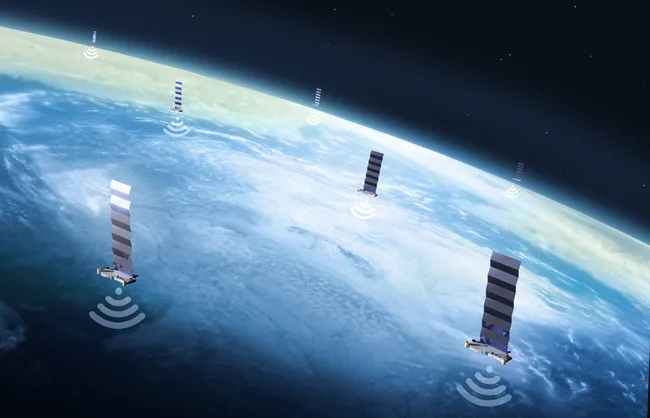
Starlink utilizes a constellation of low Earth orbit (LEO) satellites (approximately 550 km altitude) compared to traditional geostationary satellites at 35,786 km. This revolutionary approach offers:
- Lower latency (20-40ms vs 600ms+ for conventional satellite internet)
- Faster speeds (currently 50-200Mbps, upgradable to 300Mbps)
- More reliable connections with phased array antenna technology
User Equipment Requirements
To access Starlink, users need:
- Starlink Kit (₹25,000 one-time cost) including:
- Satellite dish (“Dishy”)
- Wi-Fi router
- Mounting tripod
- 15m cable
- Clear sky view (minimum 100° field of view)
- Standard power connection
Why the Starlink India Launch Changes Everything
Addressing Critical Connectivity Gaps
- 75% of rural India lacks reliable broadband (TRAI 2024)
- 28,000 villages still without any internet access
- 45% of schools lack functional internet for digital education
Transformative Applications
- Education Revolution
- Enables digital classrooms in remote areas
- Facilitates skill development programs
- Connects rural students to global learning resources
- Healthcare Advancements
- Supports telemedicine in underserved regions
- Enables real-time specialist consultations
- Improves emergency response capabilities
- Agricultural Modernization
- Provides access to weather data and market prices
- Enables precision farming techniques
- Connects farmers to e-mandis nationwide
Starlink‘s India Rollout Plan
Phase-wise Implementation
| Phase | Timeline | Focus Areas | Expected Coverage |
|---|---|---|---|
| 1 | Q3 2024 | Metro cities & tech hubs | Delhi, Mumbai, Bengaluru |
| 2 | Q4 2024 | Tier 2/3 cities | 50+ urban centers |
| 3 | 2025 | Rural expansion | 100,000+ villages |
Pricing Structure (Estimated)
| Plan | Speed | Monthly Cost | Hardware Cost | Best For |
|---|---|---|---|---|
| Basic | 50-100Mbps | ₹2,500 | ₹25,000 | Rural households |
| Standard | 100-200Mbps | ₹4,500 | ₹25,000 | Small businesses |
| Premium | 200-300Mbps | ₹7,500 | ₹25,000 | Enterprises/Institutions |
Note: Government subsidies may reduce costs for educational/health institutions
In-Depth Comparison: Starlink vs Competitors
Technology Comparison
| Feature | Starlink | JioSpaceFiber | OneWeb (Airtel) | Traditional Broadband |
|---|---|---|---|---|
| Technology | LEO Satellites | MEO Satellites | LEO Satellites | Fiber/Cable |
| Latency | 20-40ms | 30-50ms | 30-60ms | 5-20ms |
| Installation | 15 mins (DIY) | Professional | Professional | Professional |
| Mobility | Portable | Fixed | Fixed | Fixed |
Market Positioning
Starlink’s Unique Advantages:
- Rapid deployment (vs months for fiber rollout)
- Natural disaster resilience (critical for flood/cyclone zones)
- True nationwide coverage including:
- Himalayan regions
- Andaman & Nicobar Islands
- Desert areas of Rajasthan
- User Experience:
“What Indians Can Expect After Starlink’s Launch”
(Speed tests, real-world latency comparisons) - Regulatory Deep Dive:
“How India’s Satellite Policy Enabled Starlink’s Launch” - Case Study:
“Starlink Launch Impact on Lakshadweep Islands”
Overcoming Challenges in Indian Market
Regulatory Compliance
- Data localization requirements
- Security clearances for ground stations
- Spectrum sharing with existing operators
Affordability Solutions
- Government partnerships for rural subsidies
- EMI options for hardware costs
- Community sharing models for villages
Technical Adaptations
- Monsoon-proof dish designs
- Solar-powered alternatives for off-grid areas
- Multi-user configurations for schools/panchayats
Future Roadmap & Innovations
Upcoming Enhancements
- Laser inter-satellite links for faster routing
- Gen3 user terminals with 50% cost reduction
- Direct-to-cell service (coming 2026)
Integration with Digital India
- PM-WANI hotspot compatibility
- UMANG app integration for service management
- BharatNet complementary infrastructure
How to Get Starlink in India
Registration Process
- Pre-order on official website (₹5,000 deposit)
- Waitlist position based on coverage area
- Kit delivery (2-4 weeks after confirmation)
- Self-installation or technician support
Coverage Checker
Use Starlink’s availability map to estimate:
- Expected speeds in your area
- Potential obstructions
- Installation recommendations
Conclusion: A Digital Game-Changer
Starlink’s India launch represents more than just another internet option – it’s a potential equalizer for digital access across urban and rural Bharat. While challenges around pricing and competition persist, its ability to connect the unconnected could accelerate India’s progress toward becoming a $1 trillion digital economy.
For millions of Indians waiting for reliable internet, Starlink offers hope for:
- Better education through e-learning
- Improved healthcare via telemedicine
- Economic opportunities through digital commerce
- Government services delivery in remote areas
As the service rolls out through 2024-25, its true impact will be measured not just in megabits, but in transformed lives across India’s digital divide.