

Introduction
Plastic chairs are some of the most common pieces of furniture in the world. You’ll find them in homes, schools, restaurants, weddings, and even outdoor events. They’re lightweight, affordable, and stackable, making them an all-time favorite.
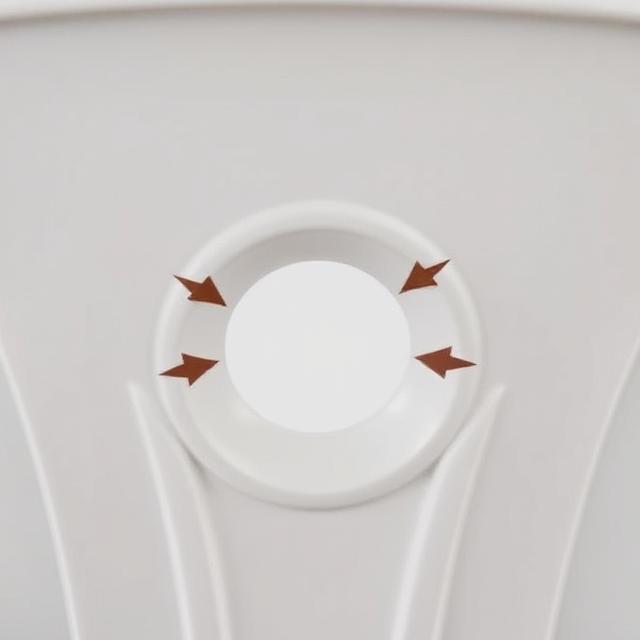
But have you ever stopped to notice the curious hole in the backrest of most plastic chairs? At first glance, it might seem like just a design element, but in reality, this feature is backed by science, ergonomics, and practicality.
In this article, we’ll uncover the reasons behind this clever design choice – from strength and safety to comfort and manufacturing efficiency. By the end, you’ll never look at a plastic chair the same way again.
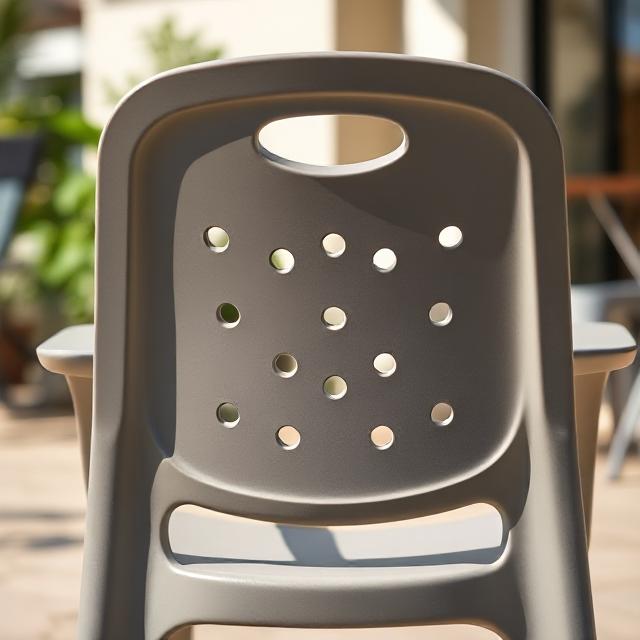
1. Engineering Strength: Preventing Cracks and Breakage
Plastic chairs are mass-produced using a method called injection molding, which can make them strong but also prone to stress when weight is applied.
- The hole in the backrest helps distribute pressure evenly when someone leans back.
- It reduces stress concentration in one area, preventing cracks and sudden breaks.
- This slight flexibility improves the chair’s durability over time.
Without the hole, chairs would require more material to withstand pressure, making them bulkier and less cost-effective.
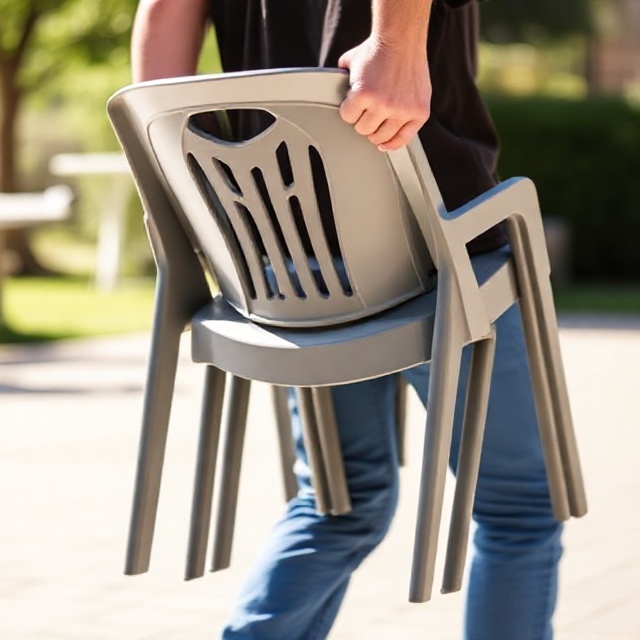
2. Easy Handling and Portability
Plastic chairs are often used in bulk – think wedding halls, community gatherings, or school functions. Moving and stacking them needs to be quick and easy.
- The hole acts like a built-in handle, allowing workers or even kids to grip the chair firmly.
- It makes stacking and unstacking faster and safer.
- Event organizers save time and effort during large-scale arrangements.
This simple cut-out transforms a basic chair into a portable and user-friendly tool.
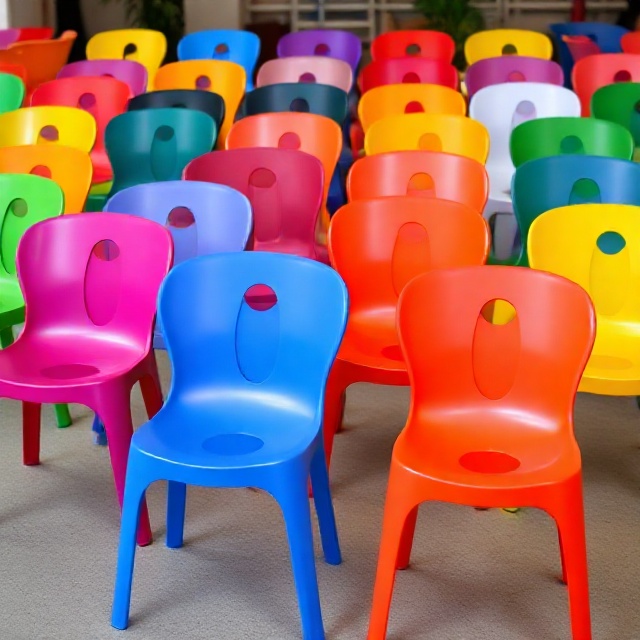
3. Comfort and Ventilation
Imagine sitting on a plastic chair outdoors during summer. Without airflow, your back would quickly become sweaty and uncomfortable.
- The hole provides air circulation, preventing heat and moisture buildup.
- It makes sitting for long periods more comfortable, especially in humid environments.
- Some designs also use the hole to create a slight lumbar curve, giving extra back support.
This shows how the feature isn’t just practical for manufacturers – it directly benefits users too.

4. Safety in Everyday Use
Believe it or not, the hole also plays a role in safety.
- For outdoor chairs, the hole allows rainwater to drain out, preventing pooling that could make the seat slippery or unhygienic.
- In stacked chairs, the gap ensures air doesn’t get trapped, which can sometimes cause resistance or even damage during unstacking.
These small details highlight how thoughtful the design really is.

5. Manufacturing Efficiency and Cost Savings
Plastic chairs are meant to be affordable – and that hole is one reason why.
- Less material is needed, reducing the overall cost per chair.
- Chairs become lighter, lowering transportation costs during bulk shipping.
- During production, the hole speeds up cooling time in the molding process, allowing manufacturers to produce more units faster.
This makes plastic chairs not only cheap for buyers but also efficient for manufacturers.
6. Aesthetics and Design Appeal
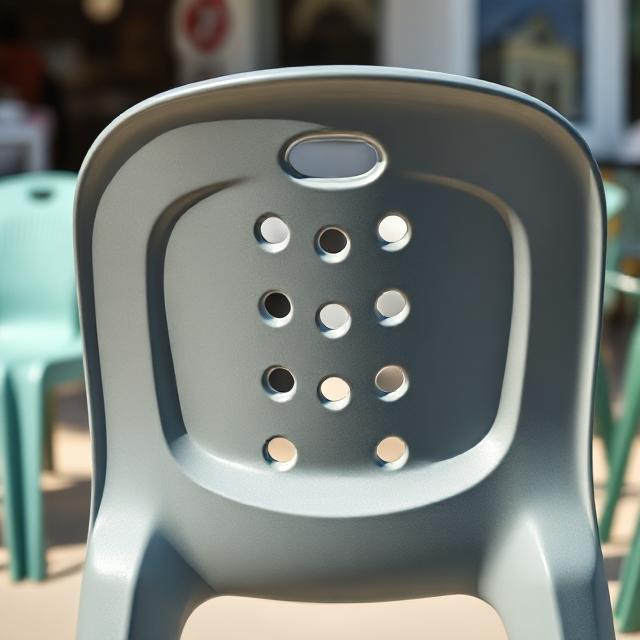
Aside from science and practicality, the hole also serves a design purpose.
- It breaks the monotony of plain plastic surfaces, giving chairs a more modern look.
- Different manufacturers experiment with shapes and sizes of the hole – from circles and ovals to unique cut-outs.
- These variations make plastic chairs versatile for homes, events, or offices.
This combination of form and function ensures that even budget furniture can look stylish and practical.
Best plastic chair deals on Amazon
7. The Hidden Science in Everyday Life
The next time you sit on a plastic chair, take a moment to notice the hole in the backrest. What seems like a small and ordinary detail is actually the result of careful planning:
- Engineers added it for strength and safety.
- Manufacturers benefit from cost efficiency.
- Users enjoy comfort, portability, and style.
This simple design element is a perfect example of how engineering meets everyday life in the smartest way possible
Frequently Asked Questions (FAQ)
1. Why do plastic chairs have a hole in the backrest?
The hole helps improve strength, comfort, and portability. It reduces stress on the chair, allows ventilation, makes carrying easier, and saves manufacturing costs.
2. Does the hole make plastic chairs weaker?
No, it actually makes them stronger and more flexible. Without the hole, pressure on the backrest could lead to cracks or breaks over time.
3. Is the hole only for design purposes?
Not at all. While it adds style, the hole mainly serves functional purposes such as safety, comfort, easier handling, and cost savings.
4. Why do some plastic chairs have different shaped holes?
Manufacturers experiment with round, oval, or unique cut-outs to enhance design appeal while still maintaining structural benefits.
5. Can a plastic chair be made without the hole?
Yes, but such chairs are usually heavier, costlier, and less durable. That’s why most mass-produced plastic chairs include the hole as part of their design.
6. Does the hole help when stacking chairs?
Yes. It prevents airlock and suction between stacked chairs, making them easier to separate and move..
Best plastic chair deals on Amazon
Conclusion
Plastic chairs may look basic, but every curve, cut, and opening serves a purpose. That hole in the backrest isn’t just for show – it’s a blend of science, practicality, and design that makes the chair stronger, lighter, safer, and more comfortable.
So, the next time you’re at a wedding, a park, or even in your backyard, take a closer look. That curious little hole is proof that even the most ordinary objects around us hide brilliant engineering secrets.


