
Introduction
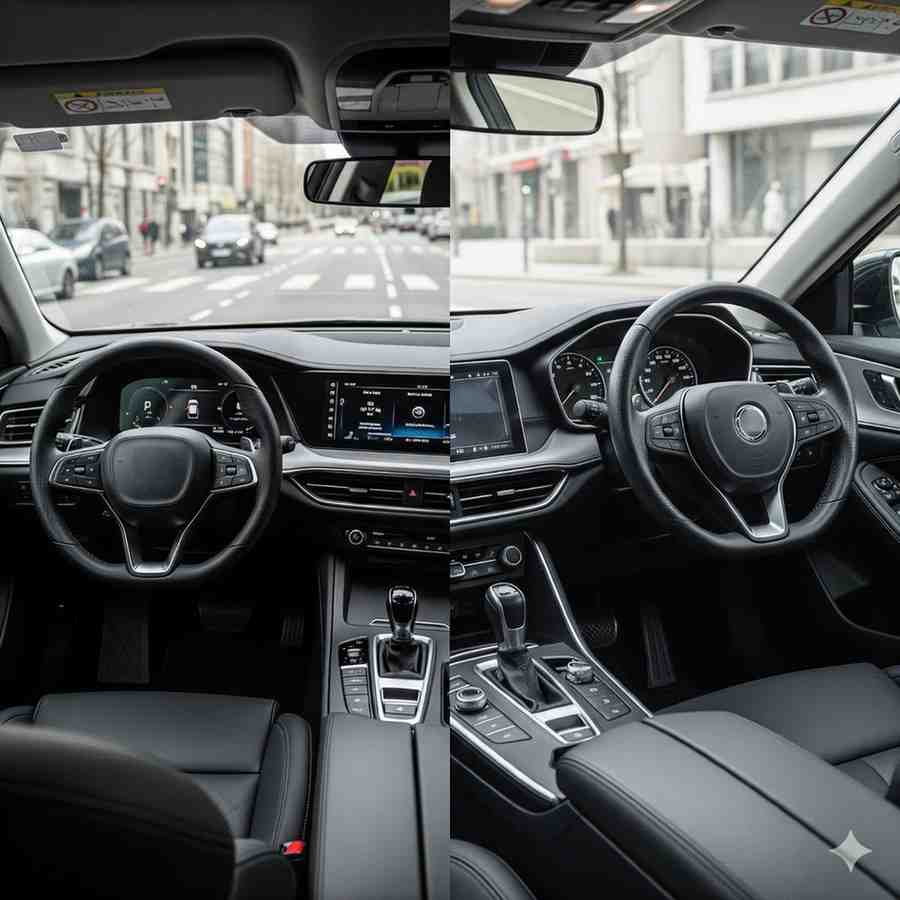
Left-Hand Drive vs Right-Hand Drive: If you’ve ever traveled abroad, you may have noticed that in some countries, cars have the steering wheel on the left side, while in others, it’s on the right side. These two systems are known as Left-Hand Drive (LHD) and Right-Hand Drive (RHD).
But why do different countries follow different systems? Which one is safer, and what happens if you drive the “wrong” type of car in another country? In this article, we’ll break down everything you need to know about Left-Hand Drive vs Right-Hand Drive, their history, advantages, and challenges.
What is Left-Hand Drive (LHD)?
In a Left-Hand Drive vehicle:
- The steering wheel is on the left side of the car.
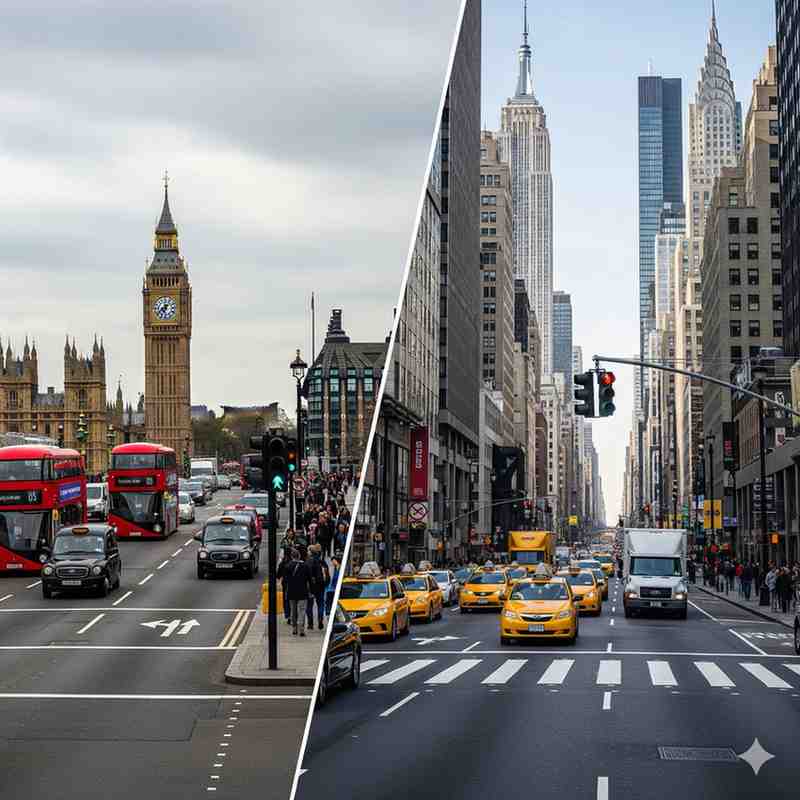
- Drivers sit on the left seat, and traffic flows on the right side of the road.
Countries that use LHD include:
- United States
- Canada
- Most of Europe (France, Germany, Italy, Spain, etc.)
- China
- Russia
👉 Around 65% of the world’s population drives on the right side of the road using LHD cars.
What is Right-Hand Drive (RHD)?
In a Right-Hand Drive vehicle:
- The steering wheel is on the right side of the car.
- Drivers sit on the right seat, and traffic flows on the left side of the road.
Countries that use RHD include:
- United Kingdom
- India
- Japan
- Australia
- South Africa
👉 About 35% of the world’s population drives on the left side of the road using RHD cars.
Amazon’s best deal on car accessories 2025
Historical Background
The origins of LHD and RHD go back centuries:
- Right-Hand Drive (RHD):
In medieval Europe, swordsmen preferred to keep to the left side of the road so their dominant hand (the right) was closer to opponents. Later, Britain formalized this practice, and its colonies (India, Australia, South Africa) adopted the same rule. - Left-Hand Drive (LHD):
After the French Revolution, Napoleon promoted right-side driving across Europe to break from old traditions. The United States also adopted it because horse-drawn wagons were easier to control when drivers sat on the left.
This is why today, former British colonies drive on the left (RHD), while European and American-influenced countries drive on the right (LHD).
Comparison: Left-Hand Drive vs Right-Hand Drive
| Feature | Left-Hand Drive (LHD) | Right-Hand Drive (RHD) |
|---|---|---|
| Steering Wheel Position | Left side of the car | Right side of the car |
| Traffic Flow | Drive on the right side of the road | Drive on the left side of the road |
| Global Adoption | ~65% of countries | ~35% of countries |
| Examples of Countries | USA, Canada, France, Germany, China | UK, India, Japan, Australia, South Africa |
| Best For | Wide highways, overtaking on the left | Narrow streets, pedestrian safety |
| Gear Shifting (manual cars) | Right hand | Left hand |
Advantages of Left-Hand Drive (LHD)
✅ Easier overtaking on highways (since traffic keeps right).
✅ More globally common, making cars easier to buy/sell internationally.
✅ Better suited for countries with large road networks like the USA.
Advantages of Right-Hand Drive (RHD)
✅ Safer for pedestrians stepping onto sidewalks in left-driving countries.
✅ Convenient for public transport and delivery drivers (closer to curbs).
✅ Works well in cities with narrower roads.
Challenges of Switching Between LHD and RHD
Driving in a country with the opposite system can be confusing and risky:
- Lane changes & overtaking feel reversed.
- Roundabouts require extra attention.
- Road signs, toll booths, and drive-throughs are designed for the local system.
- Car imports can face restrictions if steering placement doesn’t match the country’s rules.
👉 Example: Driving an American (LHD) car in the UK (RHD) is legal, but overtaking can be dangerous because visibility is reduced.
Amazon’s best deal on car accessories 2025
Which is Safer: Left-Hand Drive or Right-Hand Drive?
There’s no scientific proof that one system is inherently safer than the other. Safety mostly depends on:
- Quality of road infrastructure
- Traffic discipline of drivers
- Vehicle safety standards
However, studies suggest that countries with RHD (left-side driving) have slightly fewer accidents involving pedestrians, since drivers are closer to the curb.
Fun Facts About Driving Systems
- About 35% of the world’s countries drive on the left, but many are densely populated (India, Japan, UK).
- Some countries (like Thailand, South Africa) import both LHD and RHD cars.
- Sweden switched from left-side to right-side driving in 1967 in a famous event called “H Day.”
FAQs: Left-Hand Drive vs Right-Hand Drive
1. Can you drive a Left-Hand Drive car in a Right-Hand Drive country?
Yes, but it can be difficult and sometimes unsafe. Many countries allow it, but others restrict foreign cars after a certain period.
2. Why does the UK still use Right-Hand Drive?
Because of historical reasons—Britain formalized left-side driving centuries ago, and its colonies adopted the same.
3. Which is more common: LHD or RHD?
LHD is more common—about 65% of the world uses it.
4. Can a car be converted from LHD to RHD?
Yes, but it’s expensive and often not worth the cost unless required by law.
Conclusion
The debate of Left-Hand Drive vs Right-Hand Drive comes down to history, geography, and tradition. Neither system is “better” than the other—they’re just different approaches to road safety and traffic management.
The important thing is consistency within a country. Whether you’re driving in the USA or the UK, the safest rule is simple: follow the local system.
Amazon’s best deal on car accessories 2025