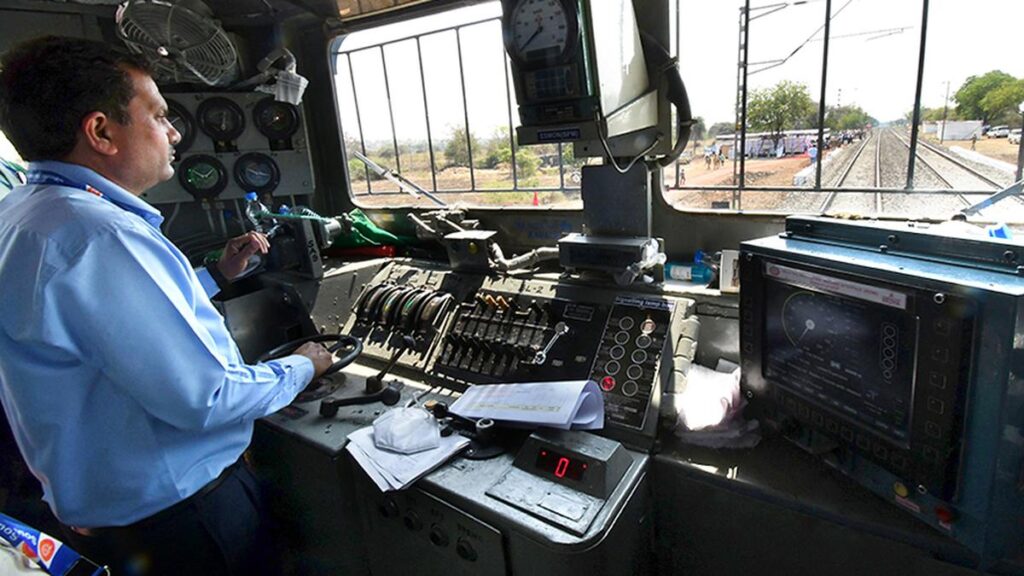

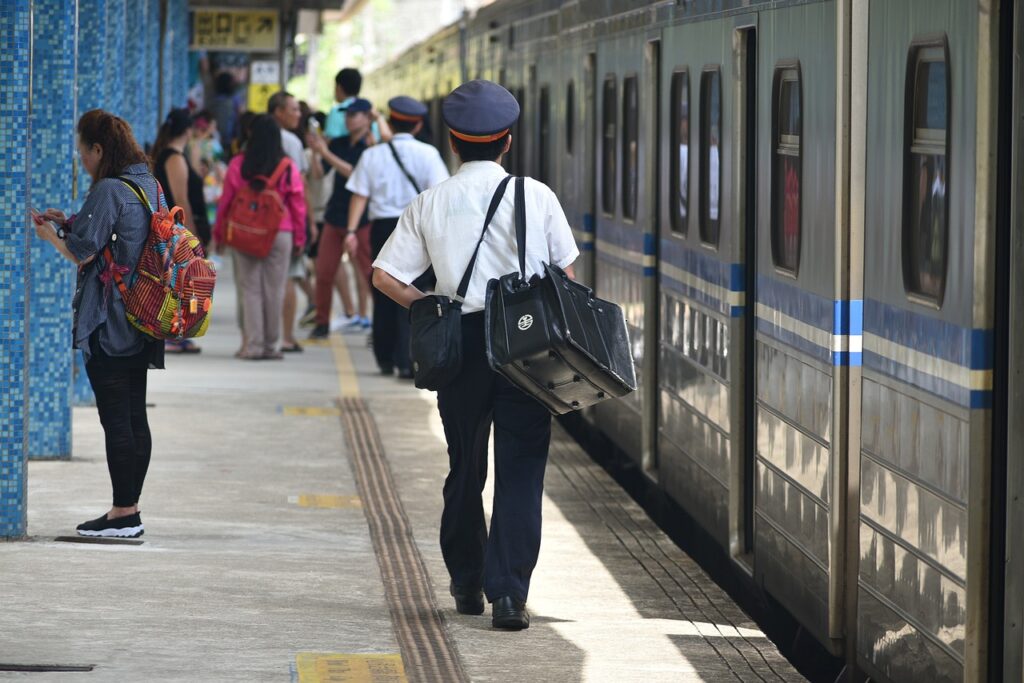
In a recent development, the Indian Railways has issued a directive that prohibits loco pilots from halting trains for personal needs, such as meals or restroom breaks. This decision has sparked significant concern among the railway workforce, particularly the All India Loco Running Staff Association (AILRSA), which represents the interests of loco pilots nationwide.
Directive Details and Implications
The directive explicitly instructs loco pilots to refrain from stopping trains for personal reasons, emphasizing the importance of adhering to the scheduled stoppages and maintaining the punctuality of train services. The primary objective behind this move is to enhance operational efficiency and ensure that trains run on time, thereby improving the overall reliability of the railway network.
Concerns Raised by Loco Pilots
The AILRSA has voiced strong opposition to this directive, highlighting the potential health and safety risks it poses to loco pilots. Operating a train requires intense concentration and physical endurance. Depriving loco pilots of necessary breaks can lead to fatigue, decreased alertness, and increased stress levels, all of which can compromise the safety of train operations.
Furthermore, the association points out that the nature of a loco pilot’s job involves long hours of continuous duty without scheduled breaks. In such a scenario, denying them the opportunity to attend to basic personal needs is not only inhumane but also counterproductive, as it may lead to decreased efficiency and morale among the staff.
Health and Safety Considerations
Medical experts and occupational health specialists have long advocated for regular breaks during extended work periods, especially in high-stress professions like train operation. Short, scheduled breaks allow individuals to rest, rejuvenate, and maintain optimal performance levels. Neglecting such basic needs can result in chronic health issues, including digestive problems, urinary tract infections, and mental health challenges.
Operational Challenges
While the intention behind the directive is to improve punctuality, there are concerns about its practicality. Trains often encounter unforeseen delays due to various reasons such as signal failures, track maintenance, or adverse weather conditions. In such situations, the inability of loco pilots to take necessary breaks could exacerbate stress and fatigue, potentially leading to errors and further delays.
Call for Dialogue and Reconsideration
The AILRSA has urged the Indian Railways management to reconsider the directive and engage in a constructive dialogue with the loco pilots to find a balanced solution. They propose the implementation of a system that allows for scheduled breaks without compromising the punctuality and efficiency of train services. Suggestions include assigning relief staff at designated stations to take over controls temporarily, allowing loco pilots to take necessary breaks without halting the train’s journey.
Conclusion
The directive from Indian Railways to prohibit loco pilots from stopping trains for personal breaks has ignited a critical discussion about worker rights, health, and operational efficiency. While the goal of maintaining punctual train services is commendable, it is imperative to balance this objective with the well-being of the staff responsible for operating these services. A collaborative approach that considers the needs and concerns of loco pilots will be essential in formulating policies that are both humane and effective.


Pingback: No Travel in Sleeper or AC Coaches on Waiting Tickets From May 1