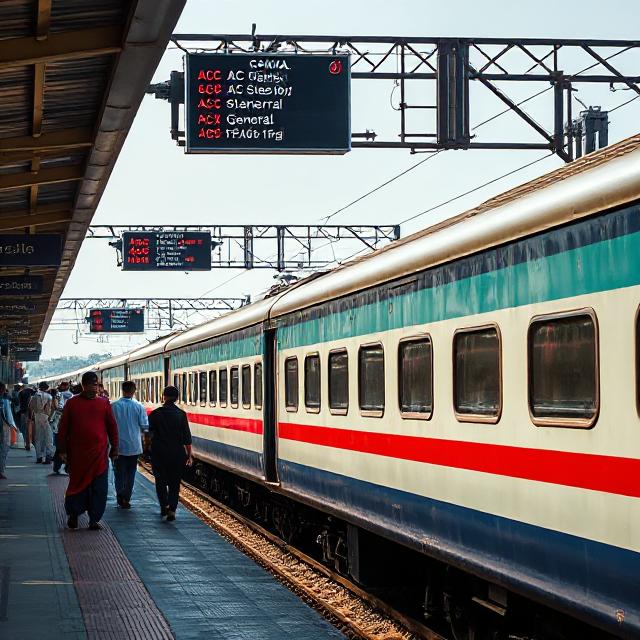

If you’ve ever found yourself running across platforms in search of your coach, this guide is for you. Understanding the Indian Railways coach position system can help you plan ahead, board easily, and enjoy a stress-free travel experience. From how the coach order is decided to how to check your coach position, we’ve covered everything in simple, friendly language.
🚆 What Is the Indian Railways Coach Position?
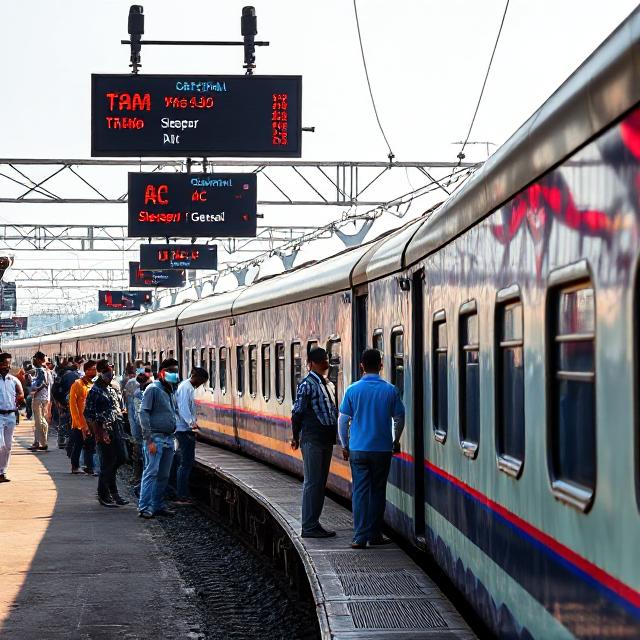
The Indian Railways coach position refers to the arrangement of coaches in a train—how each coach is placed from the engine to the end of the train. This includes AC First Class (1A), AC 2-Tier (2A), Sleeper Class (SL), General Coaches (GS), and others.
Knowing your coach’s location in advance helps you:
- Board faster without confusion.
- Avoid running along the platform.
- Manage luggage easily, especially with family or seniors.
📋 How Indian Railways Decides Coach Position
The coach composition isn’t random. It is pre-planned based on the following:
🚉 1. Type of Train
Different trains like Rajdhani, Duronto, Vande Bharat, or Shatabdi have different coach configurations. Luxury trains put premium coaches like 1A or EC closer to the engine.
👥 2. Passenger Demand
High-demand classes get more coaches (e.g., SL or 3A on long-distance trains), while low-demand classes get fewer.
🍽 3. Pantry Car and Amenities
The pantry car is usually located in the middle for even access.
🚪 4. Operational Safety and Turnarounds
Sometimes trains reverse direction mid-journey, so coach alignment is planned accordingly for easier management.
🧭 How to Check Indian Railways Coach Position
You can check the coach layout before reaching the station using multiple tools.
✅ Online Methods:
- Trainman (https://www.trainman.in/coach-position)
- RailYatri and IRCTC App
- PNR Status Websites – enter your PNR number to get the exact coach and berth
🏢 At the Station:
- Coach Position Display Boards (available at most big stations)
- Manual Inquiry: Ask platform staff or TTE
- Arrive 30 minutes early to locate your coach’s expected position
🔍 Understanding the Coach Abbreviations
| Code | Class | Description |
|---|---|---|
| 1A | AC First Class | Private cabins, most expensive |
| 2A | AC 2-Tier | Curtains, 4 berths per bay |
| 3A | AC 3-Tier | No curtains, 6 berths per bay |
| SL | Sleeper Class | Most common class, no AC |
| 2S | Second Seating | Non-AC chairs for short travel |
| CC | Chair Car | Used in Shatabdi, Vande Bharat |
| GS | General | Unreserved, usually at front/rear |
| SLR | Seating-cum-Luggage Rake | Guard’s coach, usually ends train |
🧩 Coach Position Sample – Express Train Layout
Example coach sequence from engine to rear in a typical 24-coach train:
Engine → GS → GS → 2A → 3A → 3A → SL (x6) → Pantry → SL (x2) → 2S → GS → SLR
✅ Pros and Cons of Indian Railways Coach Position System
✅ Pros:
- Reduces boarding confusion
- Better crowd management
- Allows passengers with luggage or special needs to prepare early
❌ Cons:
- Sometimes changes at the last minute
- Not always updated in real-time on 3rd-party apps
- Smaller stations may lack display boards
📊 Comparison Table: Indian Railways Coach Setup vs Modern Trains
| Feature | Traditional Express Train | Vande Bharat / Shatabdi |
|---|---|---|
| Coach Composition | Mixed (SL, 2A, 3A, GS) | Uniform (CC, EC only) |
| Boarding Experience | Moderate (manual lookup) | Advanced (digital display) |
| Speed of Boarding | Slower | Faster |
| Amenities | Basic | Modern, with charging ports |
| Reversal Challenges | Common | Minimal |
❓ Reader Questions Answered
Q1. Can I rely on the app to show the right coach position?
Apps like Trainman or IRCTC are reliable, but it’s best to confirm at the station in case of changes.
Q2. Why was my coach at the rear instead of the front?
This can happen due to engine reversal or operational adjustments.
Q3. Are all coaches fixed?
No. Based on demand, extra sleeper or 3A coaches may be temporarily added.
📌 Key Information About Indian Railways Coach Position
1. Coach Types Are Pre-Defined
Indian Railways uses predefined coach arrangements called “rake compositions.” These are structured based on the train type, route, and demand.
2. Coach Numbering Is Systematic
Each coach has a unique code and number (e.g., B1 for 3rd AC, S2 for Sleeper). These codes are printed on tickets and also visible on the coach exterior.
3. Front vs Rear Coach
- Premium coaches (like 1A or 2A) are generally closer to the engine.
- General coaches (GS), disabled-friendly, and guard vans (SLR) are typically at the front and rear ends.
4. Engine Reversal Can Change Coach Orientation
In some stations, the engine changes direction, which reverses coach order. This is why your coach may be at the front during boarding and rear at your destination.
5. Coach Position Varies by Platform Length
Not all platforms accommodate entire trains. Coach position displays help guide passengers to the correct spot on long platforms.
6. Temporary Coaches Are Added During Peak Seasons
To manage heavy passenger load, Indian Railways often adds temporary sleeper or 3AC coaches, usually at the rear. These may not appear in older rake layouts.
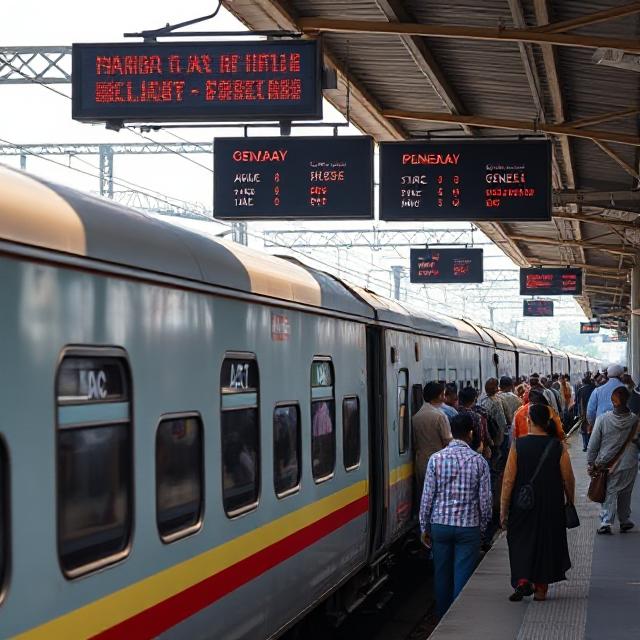
7. Digital Displays Help Identify Coach Position
Major stations use electronic coach guidance systems to indicate exact placement of coaches on platforms.
8. You Can Check Coach Layout Online
Apps like Trainman, RailYatri, or the IRCTC app allow passengers to check full coach composition by entering the train number or PNR.


Pingback: Why Flight Attendants Look at Shoes: 7 Surprising Truths
Pingback: Allahabad Once Capital of India in 1858
Pingback: Major Train Cancellations in August 2025