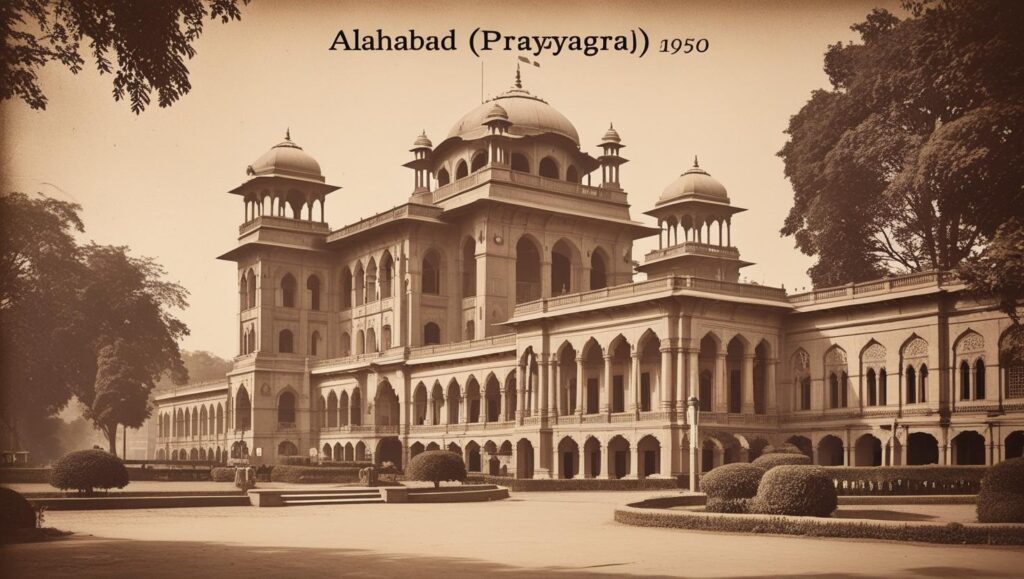

Allahabad once capital of India—yes, you read that right! For a single historic day in 1858, the city we now know as Prayagraj held the status of India’s capital. This remarkable event happened during a turbulent chapter in Indian history, as power shifted from the British East India Company to the British Crown.
In this article, we’ll explore the events leading up to this change, why Allahabad was chosen, what happened on that day, and how the story still resonates today.
The Historical Context: India in 1858
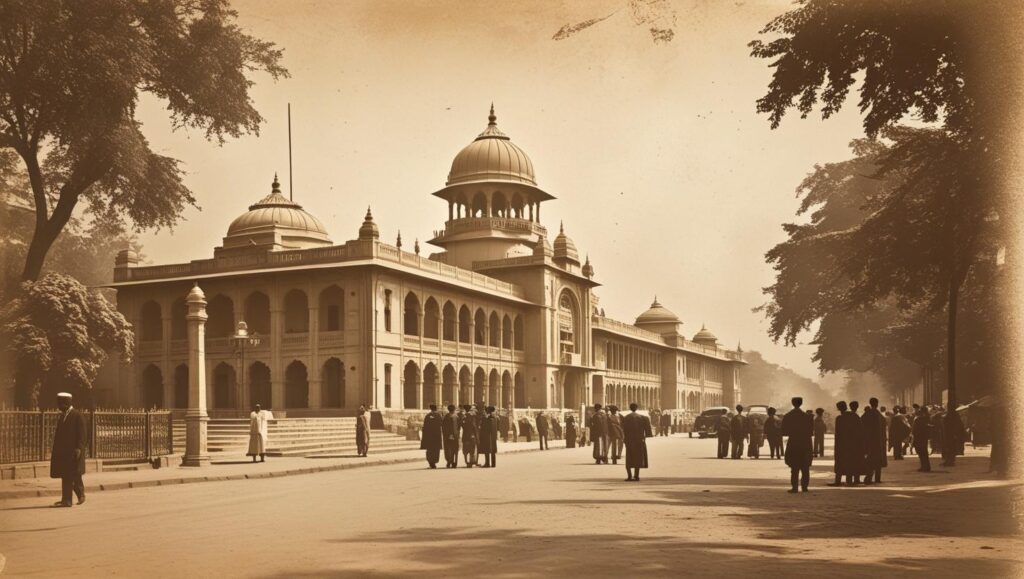
The mid-19th century was a period of political upheaval. The Indian Rebellion of 1857 had shaken British control, with key cities like Delhi and Agra caught in the turmoil. The East India Company, which had governed India for over a century, faced criticism for its inability to maintain order.
On November 1, 1858, Queen Victoria’s Proclamation was read out by Viceroy Lord Canning, declaring that governance would now rest with the British Crown. The location for this grand announcement? Allahabad.
Why Allahabad?
Several reasons made Allahabad the perfect choice:
- Safe from rebellion: Unlike Delhi and Agra, Allahabad remained firmly under British control during the unrest (Times of India).
- Existing administrative hub: It was already the capital of the North-Western Provinces (Jagran Josh).
- Symbolic importance: Situated at the holy confluence of the Ganga and Yamuna rivers, it held spiritual and cultural prestige.
November 1, 1858: The Day Allahabad Became Capital
The proclamation ceremony took place at Minto Park (now renamed Madan Mohan Malaviya Park) near the Yamuna River. British officials, military leaders, and local elites gathered to hear Lord Canning formally declare the transfer of power to the Crown.
Although Allahabad was the capital for only one day, the event elevated its national prominence. It went on to host major institutions like Allahabad University and the High Court, reinforcing its importance in the decades that followed.
Pros and Cons of Choosing Allahabad
| Pros | Cons |
|---|---|
| Provided a secure venue during a volatile period. | Status was short-lived, lasting only a day. |
| Legally formalized the transfer of power. | Overshadowed by later capitals like Calcutta and Delhi. |
| Enhanced Allahabad’s political and cultural reputation. | Limited public awareness of the event even today. |
| Symbolic connection to India’s spiritual heritage. | Could be perceived as a ceremonial formality. |
Comparison Table: Allahabad vs. Other Indian Capitals
| City | Period as Capital | Significance |
|---|---|---|
| Allahabad | 1 November 1858 (One-day capital) | Hosted Queen Victoria’s Proclamation transferring power from East India Company to Crown. |
| Calcutta | 1772–1911 | Administrative capital under both Company and Crown until Delhi became the seat of power. |
| Shimla | Late 19th century (summer capital) | Provided a cooler administrative base during scorching summers. |
| New Delhi | 1911–present (inaugurated in 1931) | Official capital since 1911 Delhi Durbar; purpose-built to represent British imperial ambitions. |
Frequently Asked Questions (FAQs)
1. Was Allahabad the only temporary capital of India?
No, Shimla also served as a summer capital during British rule.
2. Why wasn’t Mumbai (Bombay) chosen?
Mumbai was a major commercial hub but lacked the administrative infrastructure at that time.
3. Are there records of this event?
Yes, historical archives and government documents confirm this shift.
Legacy and Importance Today
Conclusion
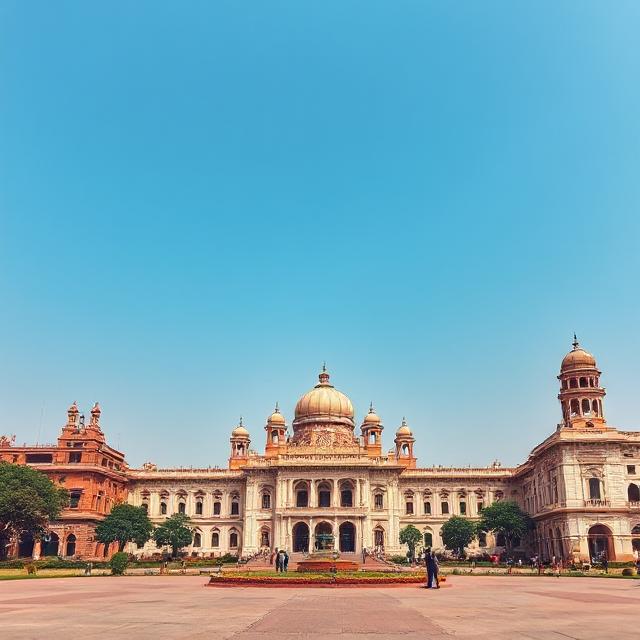
The story of Allahabad (Prayagraj) becoming India’s capital for a day is a little-known but fascinating chapter in the nation’s history. While Delhi remains the undisputed capital, this brief transition highlights India’s adaptive governance and the importance of secondary cities in nation-building.
Did you know about this event? Share your thoughts in the comments!
Even though Allahabad’s stint as India’s capital was brief, it’s a story worth remembering:
- For historians, it highlights a pivotal moment in colonial governance.
- For locals, it’s a matter of pride, showing the city’s importance beyond its religious significance.
- For students, it’s an example of how political geography can shift even for a single day.
Final Thought:
The day Allahabad once capital of India wasn’t just a ceremonial shift—it was a historical pivot that linked a city’s destiny to the governance of an entire nation, even if just for a brief, shining moment.