
Introduction
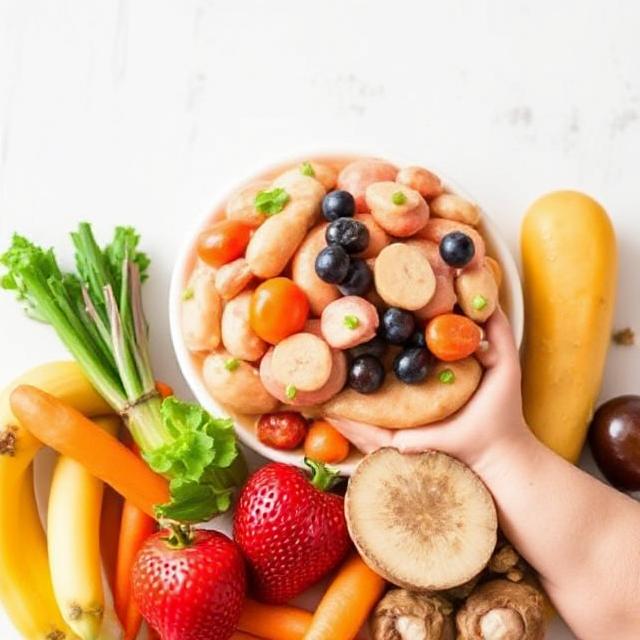
A child’s brain undergoes rapid development during their early years, making nutrition crucial for cognitive growth, memory, and learning abilities. Including brain-boosting foods in their daily diet can significantly enhance focus, mental clarity, and long-term brain health. This article explores the top 10 foods for brain growth and memory that kids should consume regularly, backed by scientific research and expert recommendations.
Why Nutrition Matters for Brain Development
The brain requires essential nutrients like omega-3 fatty acids, antioxidants, vitamins, and minerals to function optimally. Studies show that deficiencies in key nutrients can lead to poor concentration, slower cognitive development, and memory issues in children. By incorporating these superfoods for brain health, parents can support their child’s academic performance and overall mental well-being.
Top 10 Brain-Boosting Foods for Kids
1. Fatty Fish (Salmon, Sardines, Mackerel)
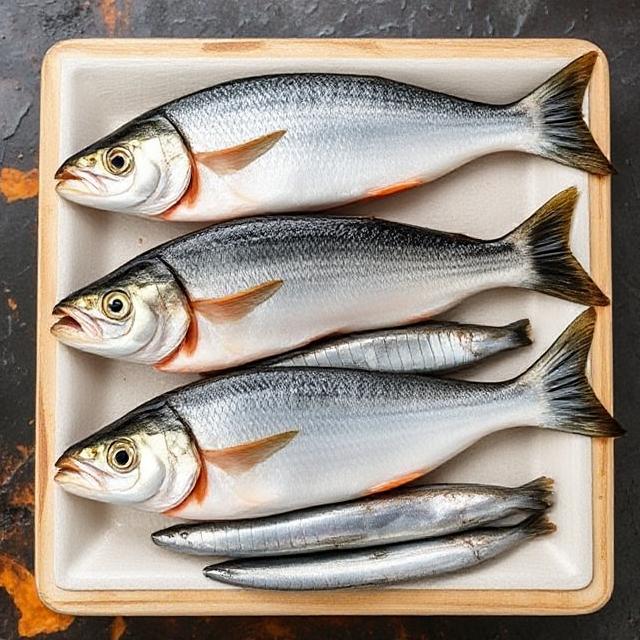
Rich in omega-3 fatty acids (DHA and EPA), fatty fish supports brain cell growth and improves memory. Research from the National Institutes of Health (NIH) confirms that children with higher omega-3 intake show better cognitive performance.
How to Serve: Grilled salmon patties, fish tacos, or tuna sandwiches.
2. Eggs (Especially the Yolk)

Eggs contain choline, a nutrient vital for memory and brain development. The American Journal of Clinical Nutrition highlights that choline aids in neurotransmitter function, enhancing learning abilities.
How to Serve: Scrambled eggs, omelets, or boiled eggs with whole-grain toast.
3. Berries (Blueberries, Strawberries, Blackberries)
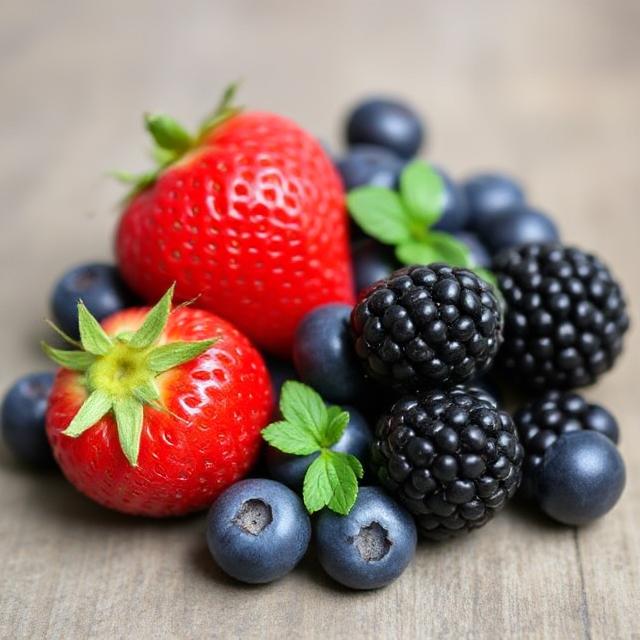
Packed with antioxidants, berries protect brain cells from oxidative stress. A study in Frontiers in Aging Neuroscience found that blueberries improve memory and cognitive processing in children.
How to Serve: Berry smoothies, yogurt parfaits, or as a snack.
4. Nuts and Seeds (Walnuts, Almonds, Chia Seeds, Flaxseeds)
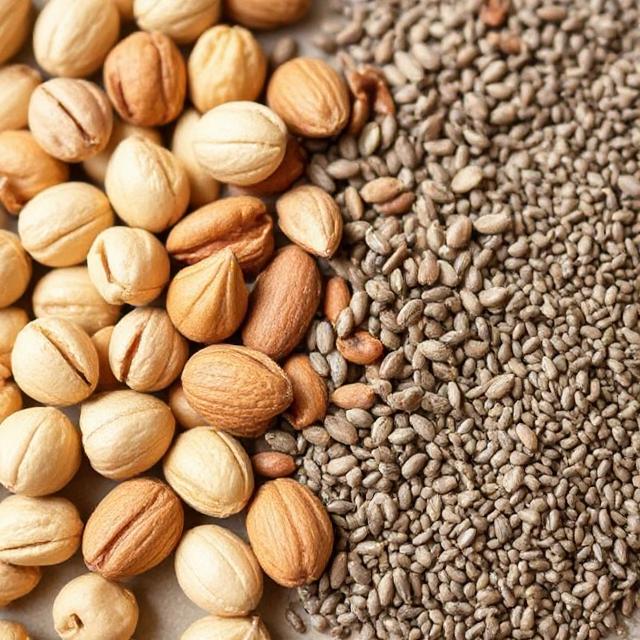
These are excellent sources of healthy fats, vitamin E, and zinc, which enhance brain function. According to Harvard Health, walnuts, in particular, improve memory and focus.
How to Serve: Nut butter on toast, trail mix, or chia pudding.
5. Leafy Greens (Spinach, Kale, Broccoli)
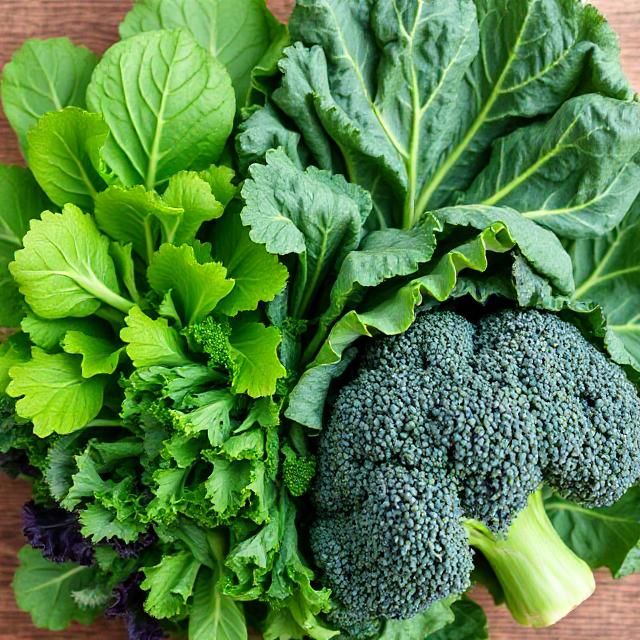
Loaded with folate, iron, and vitamin K, leafy greens support cognitive development. The Journal of Nutrition states that folate deficiency is linked to learning difficulties in kids.
How to Serve: Blended into smoothies, stir-fries, or as a side dish.
6. Whole Grains (Oats, Quinoa, Brown Rice)
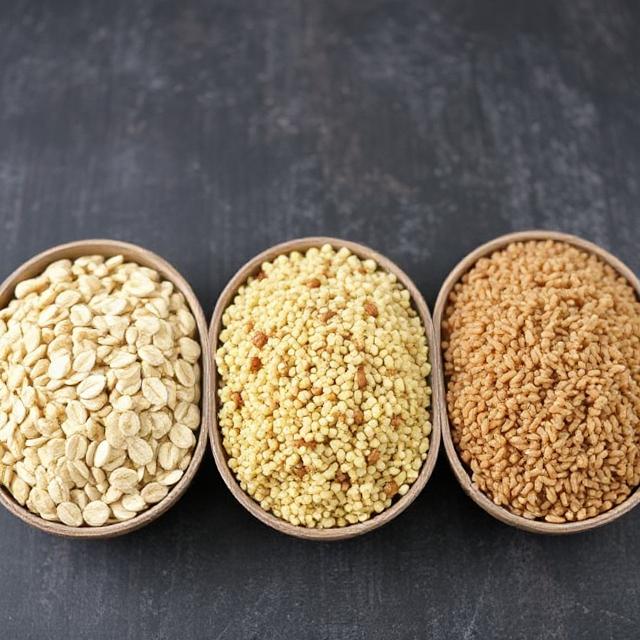
Whole grains provide steady glucose supply, fueling the brain for better concentration. The American Journal of Lifestyle Medicine highlights their role in sustained mental energy.
How to Serve: Oatmeal, whole-grain pancakes, or quinoa bowls.
7. Greek Yogurt
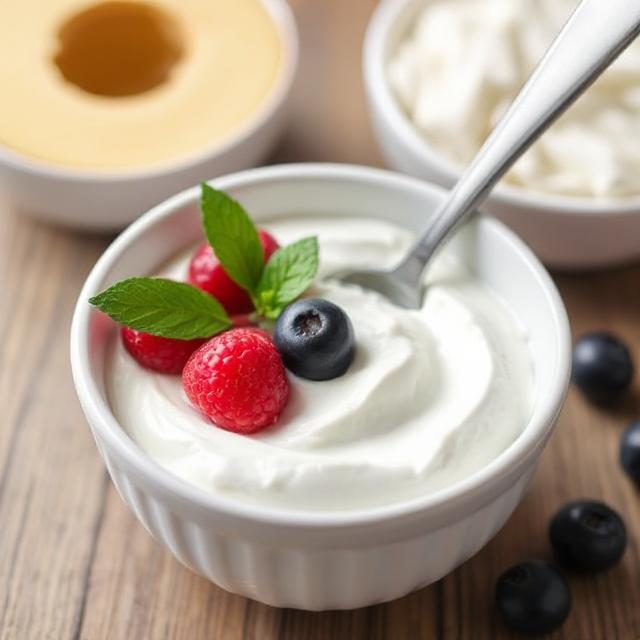
High in probiotics and protein, Greek yogurt supports gut-brain health. Research in Nature Reviews Neuroscience shows a strong gut-brain connection affecting mood and memory.
How to Serve: With honey and fruits, or in smoothies.
8. Dark Chocolate (70% Cocoa or Higher)
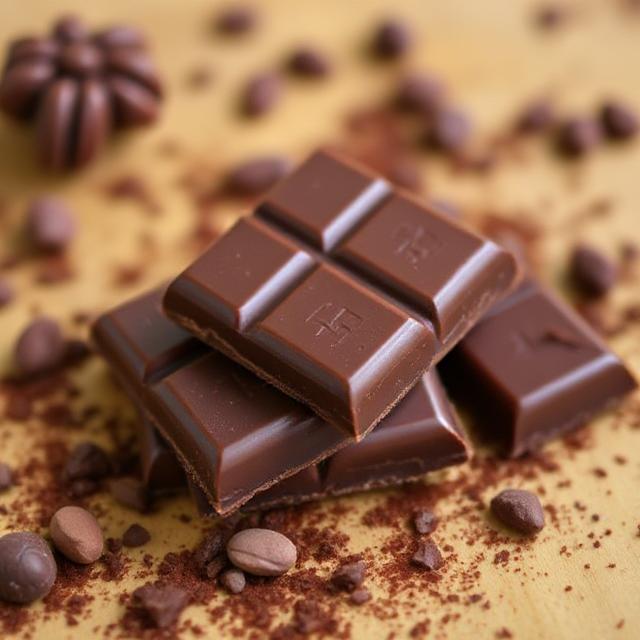
Contains flavonoids and caffeine, which boost alertness and mood. A study in Appetite found that dark chocolate enhances cognitive performance in children.
How to Serve: Small squares as a treat or melted into oatmeal.
9. Avocados
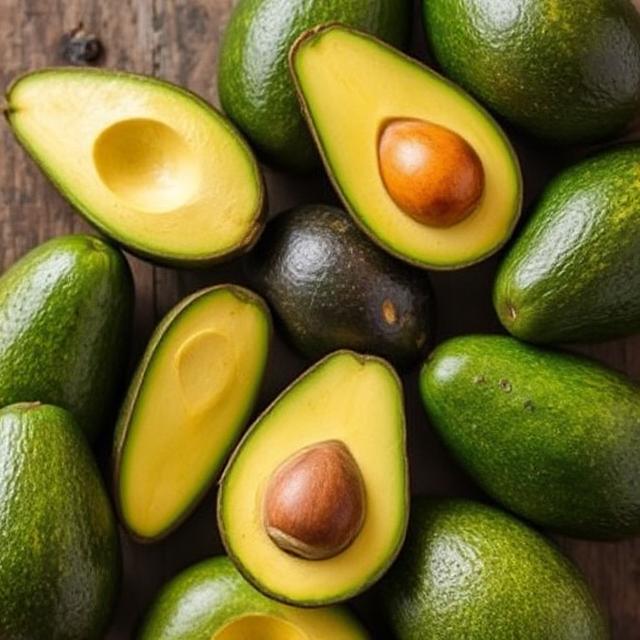
Rich in monounsaturated fats, avocados improve blood flow to the brain. The Nutrients Journal reports that healthy fats are essential for neural development.
How to Serve: Guacamole, avocado toast, or in salads.
10. Turmeric (Curcumin)

Known for its anti-inflammatory properties, turmeric enhances memory and neuroplasticity. Psychopharmacology studies suggest curcumin improves attention span in kids.
How to Serve: Golden milk, turmeric scrambled eggs, or in soups.
Comparison Table: Brain-Boosting Foods vs. Common Alternatives
| Brain-Boosting Food | Key Benefit | Common Alternative | Why Brain Foods Win |
|---|---|---|---|
| Fatty Fish (Salmon) | High in Omega-3s | Processed Meats | Supports neuron growth vs. unhealthy fats |
| Blueberries | Rich in Antioxidants | Sugary Snacks | Protects brain cells vs. sugar crashes |
| Walnuts | Boosts Memory | Chips | Healthy fats vs. empty calories |
| Spinach | High in Folate | Iceberg Lettuce | More nutrients for brain development |
| Dark Chocolate | Enhances Focus | Milk Chocolate | Less sugar, more flavonoids |
Scientific Backing & Expert Recommendations
Several studies and health organizations support the benefits of these brain foods:
- NIH confirms omega-3s improve cognitive function.
- Harvard Medical School recommends nuts and seeds for memory.
- World Health Organization (WHO) emphasizes iron-rich foods for brain health.
Conclusion
Incorporating these 10 best brain-boosting foods into your child’s diet can significantly enhance memory, focus, and cognitive growth. By prioritizing nutrient-rich options over processed snacks, parents can set the foundation for lifelong brain health.


